Can soccer one day rival hockey and basketball in Canada?
“It already does,” argues the secretary of state for sport, Adam van Koeverden.
With Canadian taxpayers already pouring $1 billion into co-hosting FIFA World Cup 2026 alongside the U.S. and Mexico, all eyes are on the country, he says, which needs to use this opportunity to shift its sporting landscape.
“Investment is extremely prudent,” says van Koeverden.
“I’d like to insist that these are finances invested in the future of our country.”
‘Canadians deserve to have nice things’
The World Cup’s billion-dollar price tag has sparked debate over whether the tournament’s benefits justify the cost.
Critics have pointed to spending on security and temporary infrastructure, including BMO Field modifications that will eventually be removed once the tournament concludes.
Van Koeverden rejects the idea that those expenditures should be viewed simply as costs, and says they are upgrades that will continue benefiting Canadians long after the tournament ends.
“I would just like to emphasize that Canada and Canadians deserve to have nice things, that includes world class infrastructure, that includes world class events,” says van Koeverden.
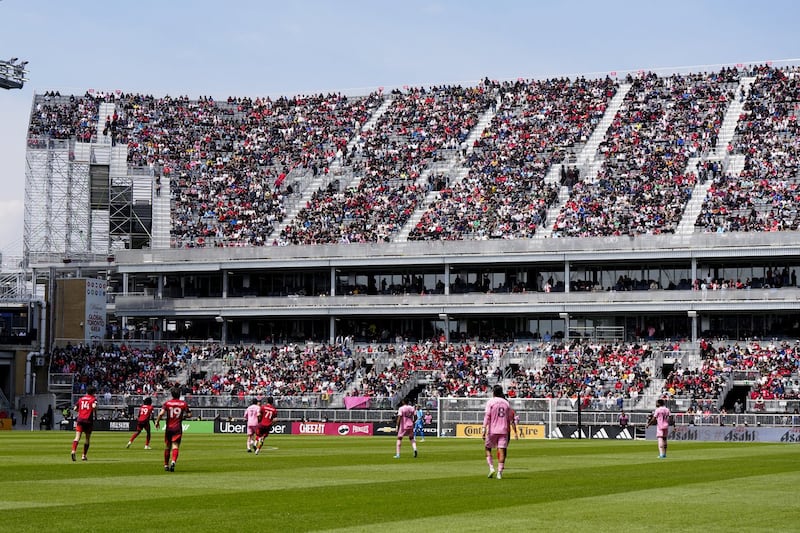
“Whether we’re talking about doubling the number of elevators for accessibility at BC Place or increasing the number of suites available for viewing at BMO Field, all of those investments will pay off in the long run.”
The $1 billion is divided into into three areas according to the Parliamentary Budget Officer. This includes $958 million for city operations in Toronto and Vancouver, $224 million for safety and security, and $126.1 million to upgrade stadiums with natural grass and extra seats.
To further support the tournament, the government announced a $755 million investment during the Spring Economic Statement to support community sports over the next five years.
“When you get a kid playing who would otherwise be on their phone or be alone in their room, or maybe not have access or opportunity to create friends, be mentored, learn some physical literacy, develop new skills, confidence, that’s an investment in their future, and that creates a stronger country into the future.”
More than a niche sport
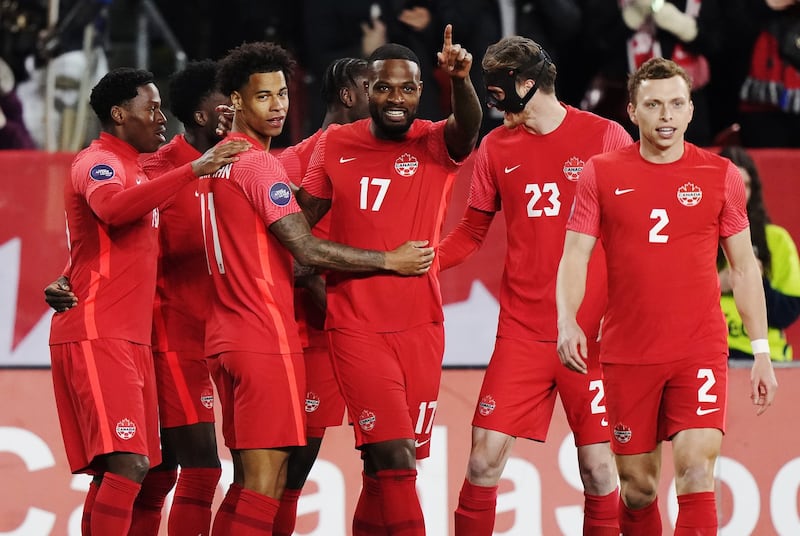
Van Koeverden argues soccer has already earned a place alongside Canada’s traditional sports, thanks in part to the country’s multicultural population and growing professional leagues.
“Canada has a great women’s professional league in the Northern Super League. Toronto FC fans and soccer fans from coast to coast to coast have been enthusiastic.”

He says the World Cup is expected to accelerate that momentum, particularly in cities such as Toronto where international soccer tournaments have long drawn passionate crowds.
A global stage and economic opportunity
Van Koeverden says hosting the World Cup presents an opportunity to demonstrate Canada’s strengths beyond sport.
“This will attract more federal revenues, certainly, but also foreign direct investment,” says van Koeverden.
According to FIFA, the tournament is expected to generate as much as $3.8 billion in economic output for Canada, contribute roughly $2 billion to GDP, create or sustain approximately 24,100 jobs and generate about $700 million in government revenue.
Much of that activity is expected to come through tourism, hospitality, transportation, construction, security and event operations as visitors travel to host cities across the country.
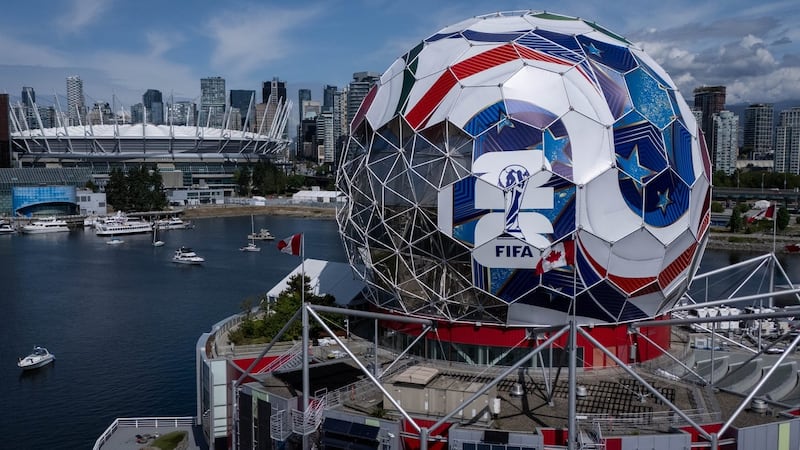
Toronto and Vancouver have emerged as standout host cities ahead of the tournament, ranking first and third among the 16 host cities for volunteer recruitment, says van Koeverden.
Canada is the greatest sport hosting nation in the world.
— Adam van Koeverden
He compares the World Cup to other major international events Canada has hosted over the years, including the Vancouver 2010 Olympics and the Pan Am Games, arguing that such events help elevate Canada’s profile abroad.
“It’s fantastic for our economy..it emphasizes what we have to offer and showcases Canada’s unique contributions to the world,” says van Koeverden.
Building the next generation
The federal government’s recent $755 million package includes $660 million over five years for National Sport Organizations to increase youth participation, funding that had been frozen since 2005.
Another $50 million is earmarked for attracting and hosting major sporting events, while $45 million will support high-performance athletes. Annual federal sport funding will also increase by $118 million on an ongoing basis.
Van Koeverden says those investments are designed to create opportunities for more young Canadians to participate in sports, regardless of where they live or what sport they choose.
The federal government recently partnered with Canada Soccer to provide 5,000 Canadian families with free access to friendly matches.
“I met with a lot of those families on the side of the pitch or up in the stands,” he says.
“Those kids were so happy and so excited. These are fundamental core memories that these families will carry with them forever.”

